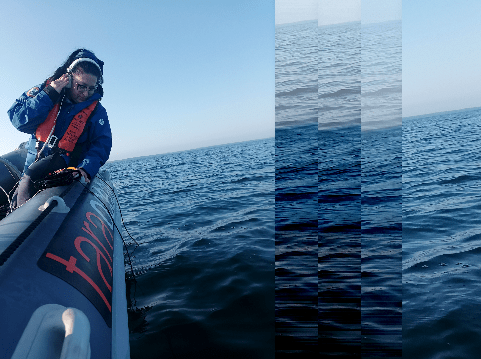
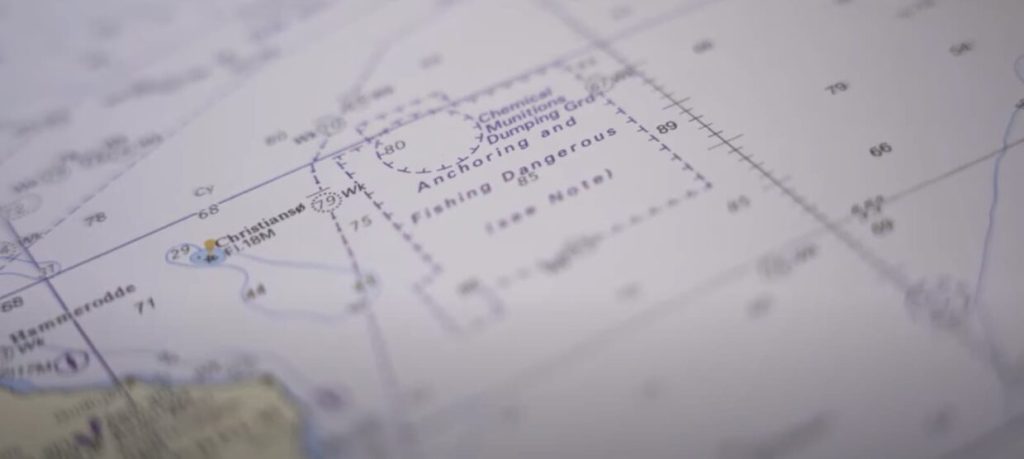
Echoes of the Abyss is a body of work that addresses the critical yet often overlooked issue of chemical weapons dumped on the ocean floor. These remnants of past conflicts disrupt biodiversity, water chemistry, and ecological balance, acting as environmental time bombs. Building on preliminary research conducted during the artist’s residency aboard the research vessel Tara Ocean Foundation in the Baltic Sea and continued during the MADE IN Platform in the Kvarner region of the Adriatic Sea, this project integrates an interdisciplinary approach, exploring the interactions between decaying munitions, marine organisms, and broader ecological systems.
“Beneath the waves, history decays. The past is dissolving into the sea, but its consequences are anything but washed away.” Robertina Šebjanič
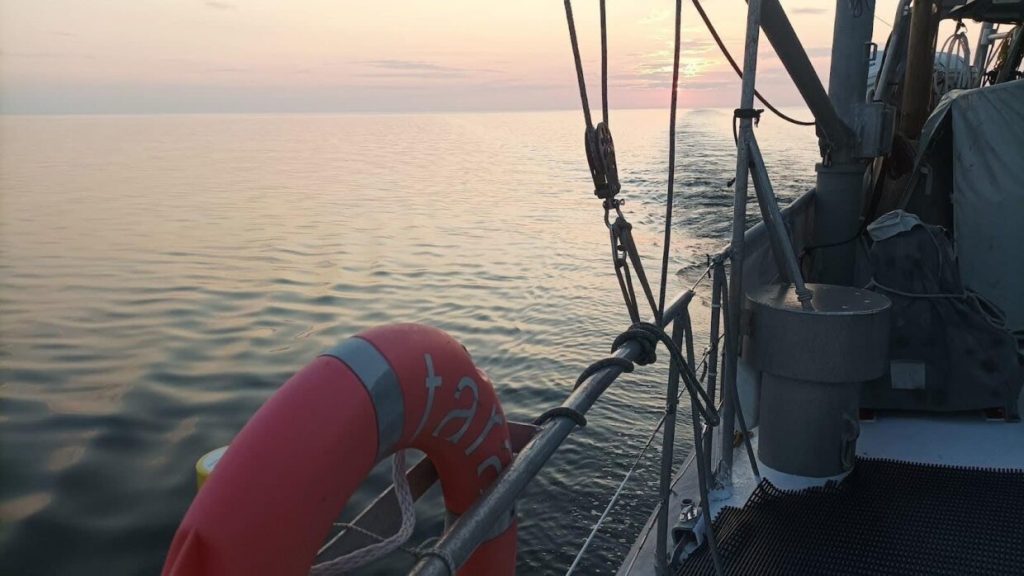
The research underpinning The Echoes of the Abyss began in June 2023, during Robertina Šebjanič’s residency aboard the Tara research vessel, spanning the journey from Aarhus to Riga in the Baltic Sea.
This unique artistic-scientific collaboration emphasizes the deep links between human actions and marine environments, urging critical reflection on the toxic legacies we leave behind.
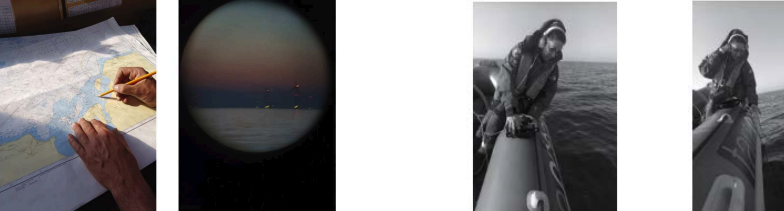
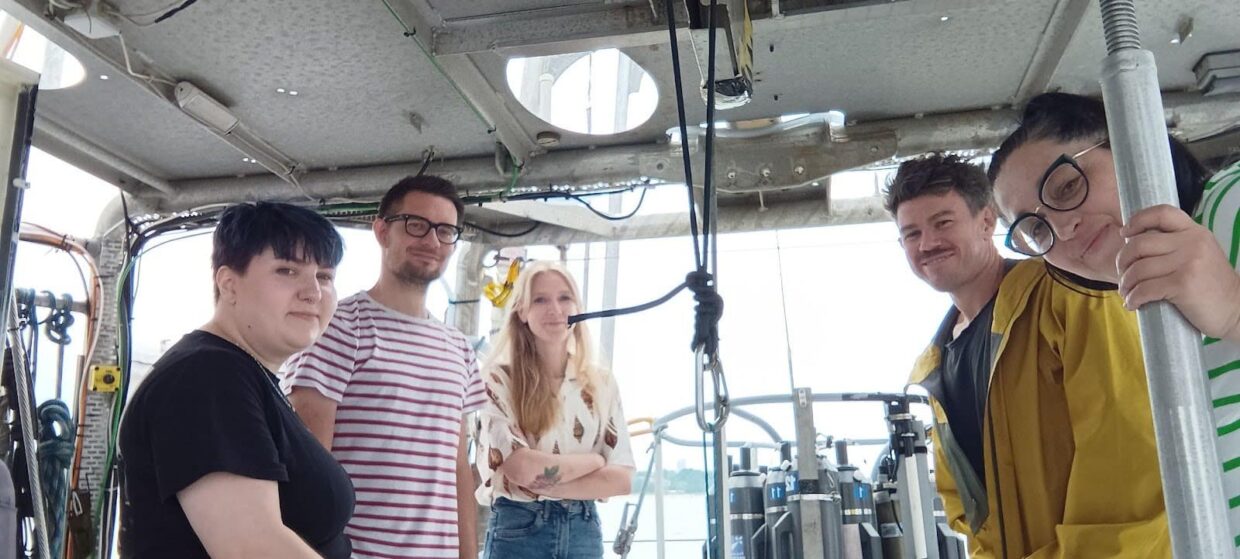
on board of TARA, Baltic Sea 2023
Robertina Šebjanič’s Logbook: Echo of the Abyss
Robertina Šebjanič was the first artist to take part in the Tara Europa/TREC expedition as an artist-in-residence on the Tara schooner. She shared the daily life of the scientific and marine crew from Aarhus in Denmark to Riga in Latvia. Discover her logbook-June 2023.
Her choice of the Baltic Sea wasn’t a coincidence. Indeed, her artistic project focuses on the impact of weapons lost in the Ocean during past conflicts. The Baltic Sea is a sea that has been impacted by many wars over the past century. Many munitions still lie beneath its surface.Past conflicts, present consequences, the artist was able to develop her project and meet direct witnesses of this history.
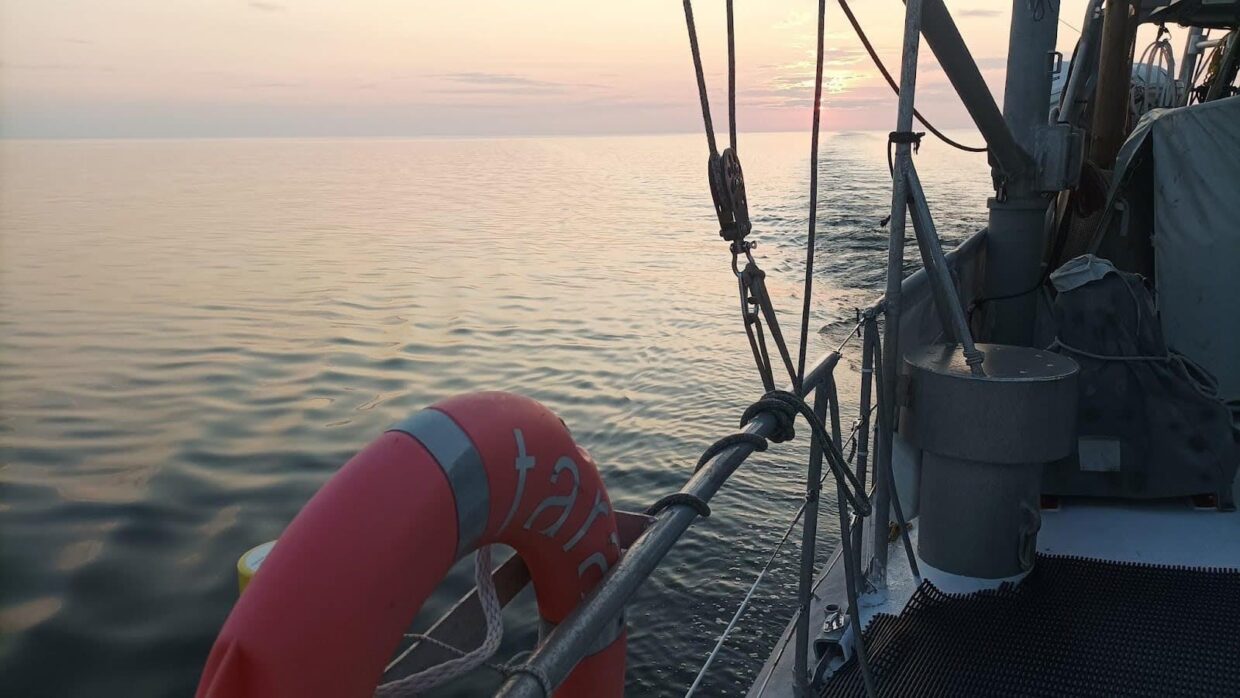
Art and science during an oceanographic expedition
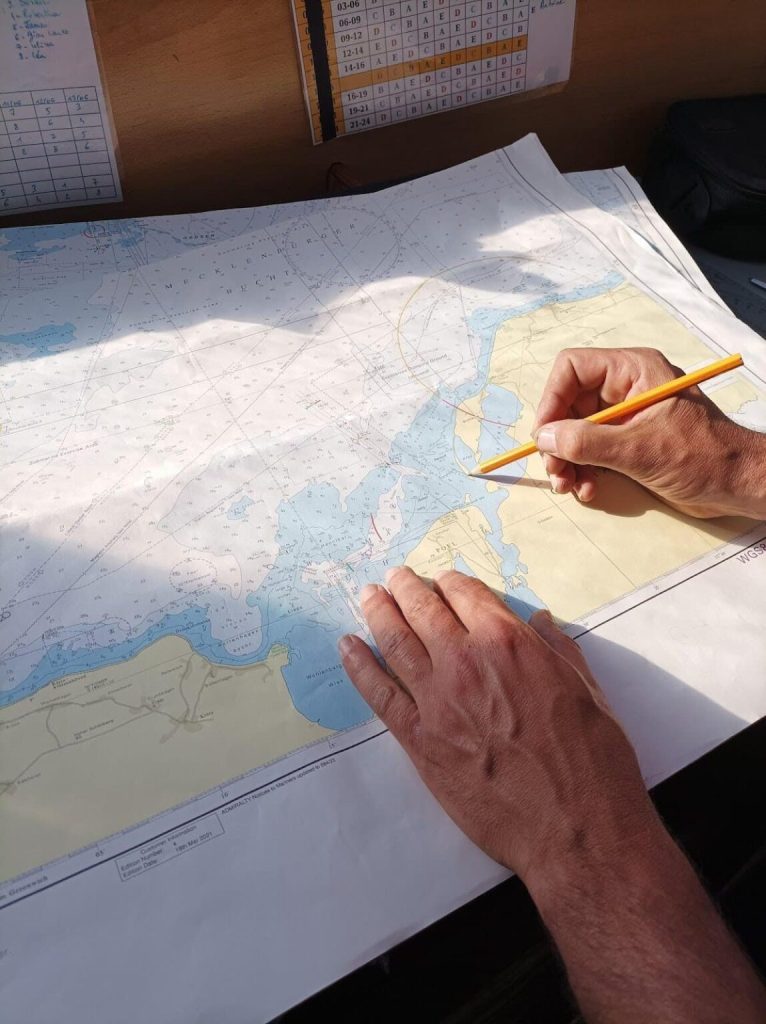
During the month of June 2023, I embarked on a research expedition aboard the vessel Tara in the Baltic Sea. The primary objective taking on this expedition was to initiate a new phase in my art research practice, focusing on the issue of discarded and abandoned weapons on the Ocean seabed. This often overlooked concern carries profound environmental implications, including the threat of toxic pollution and its detrimental effects on marine ecosystems.
My decision to apply for the artistic residency aboard Tara was driven by its perfect alignment with my artistic vision, which focuses on exploring the cultural, (geo)political, biological, and ecological realities of aquatic environments. The prospect of collaborating with scientists on Tara, particularly within the framework of Tara Europa – TREC, resonated deeply with my research interests. It offered a unique opportunity to explore the intersection of art and science in the context of oceanic exploration. My journey unfolded during the leg of the expedition between Aarhus and Riga in June 2023.
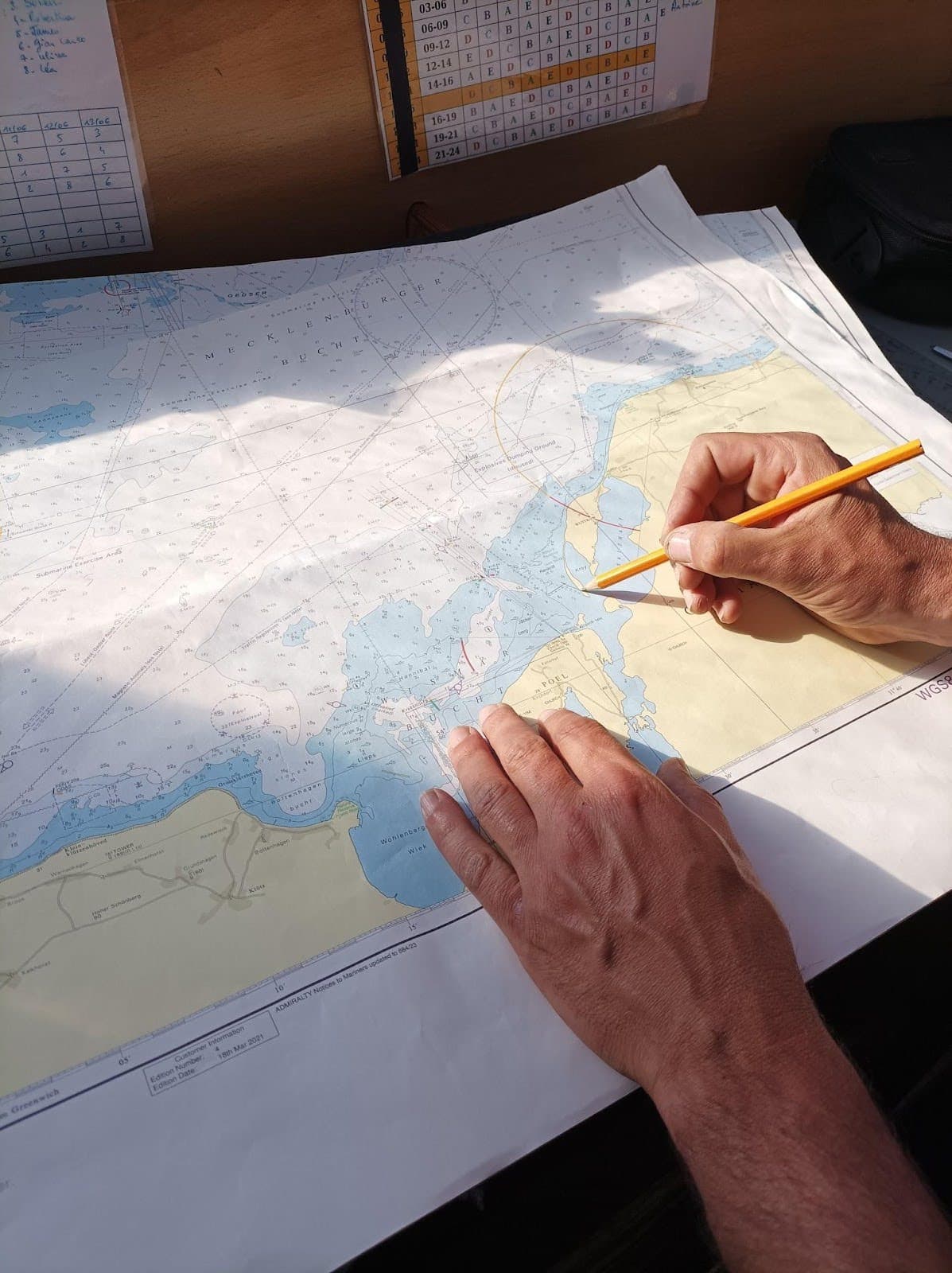
The Baltic Sea, a land marked by history
During my stay on board, my project evolved as I delved deeper into the complexities of this issue of reding in on the chemical patterns of seawater and their effects on marine life.
Given that our residency took place in the Baltic Sea, the relevance of the topic was particularly poignant. The Baltic Sea region has a history marked by the disposal of weapons, notably after the Second World War, and is currently home to numerous remnants of past conflicts lying on its seabed.
This initiative was still in its nascent stages and stemmed from my initial exploration into the disposal of war munitions during the Second World War in the Baltic Sea.
During my time aboard the Tara, I sought to expand upon this foundation and establish connections with the scientific explorations conducted during the expedition.
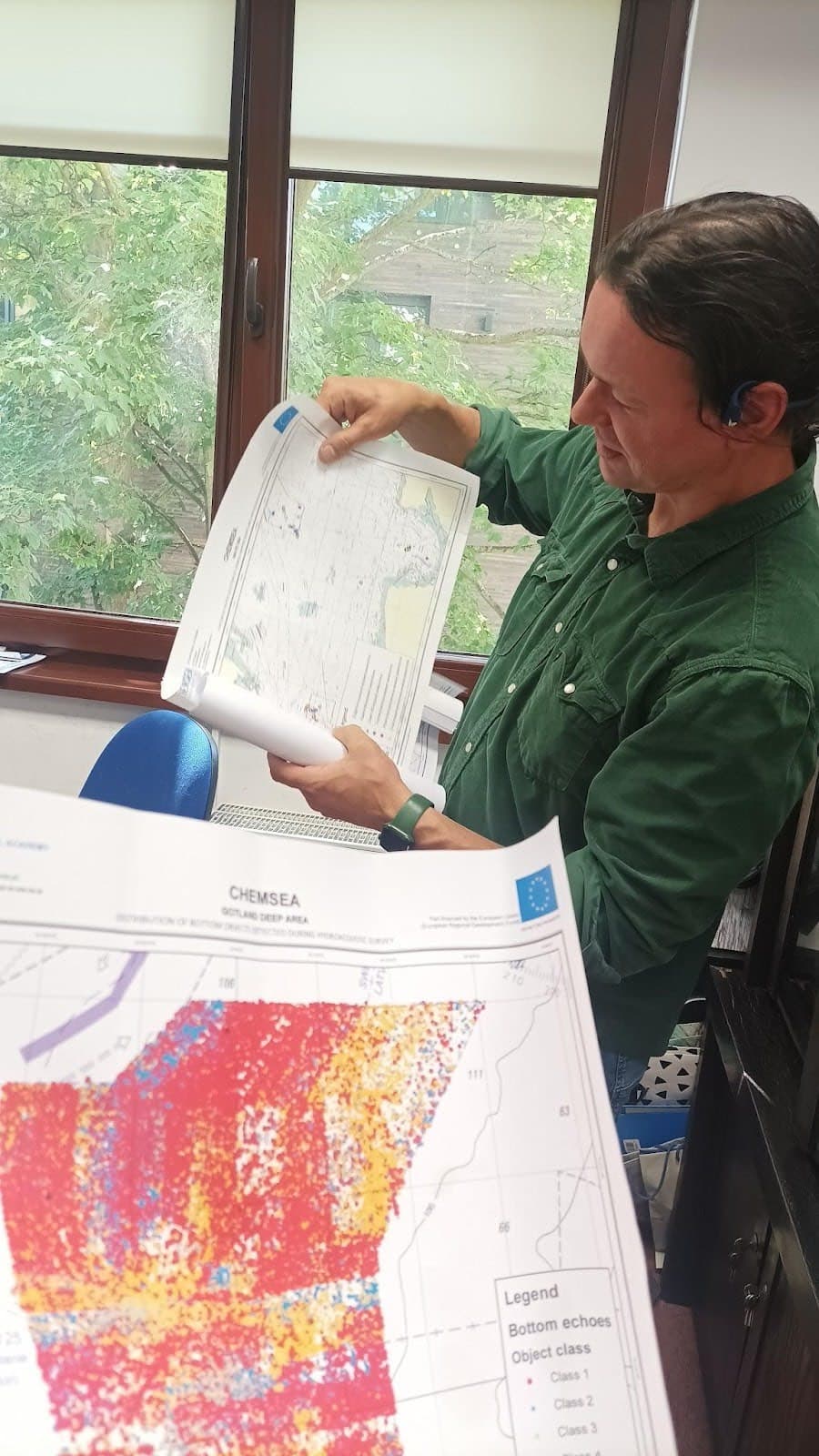
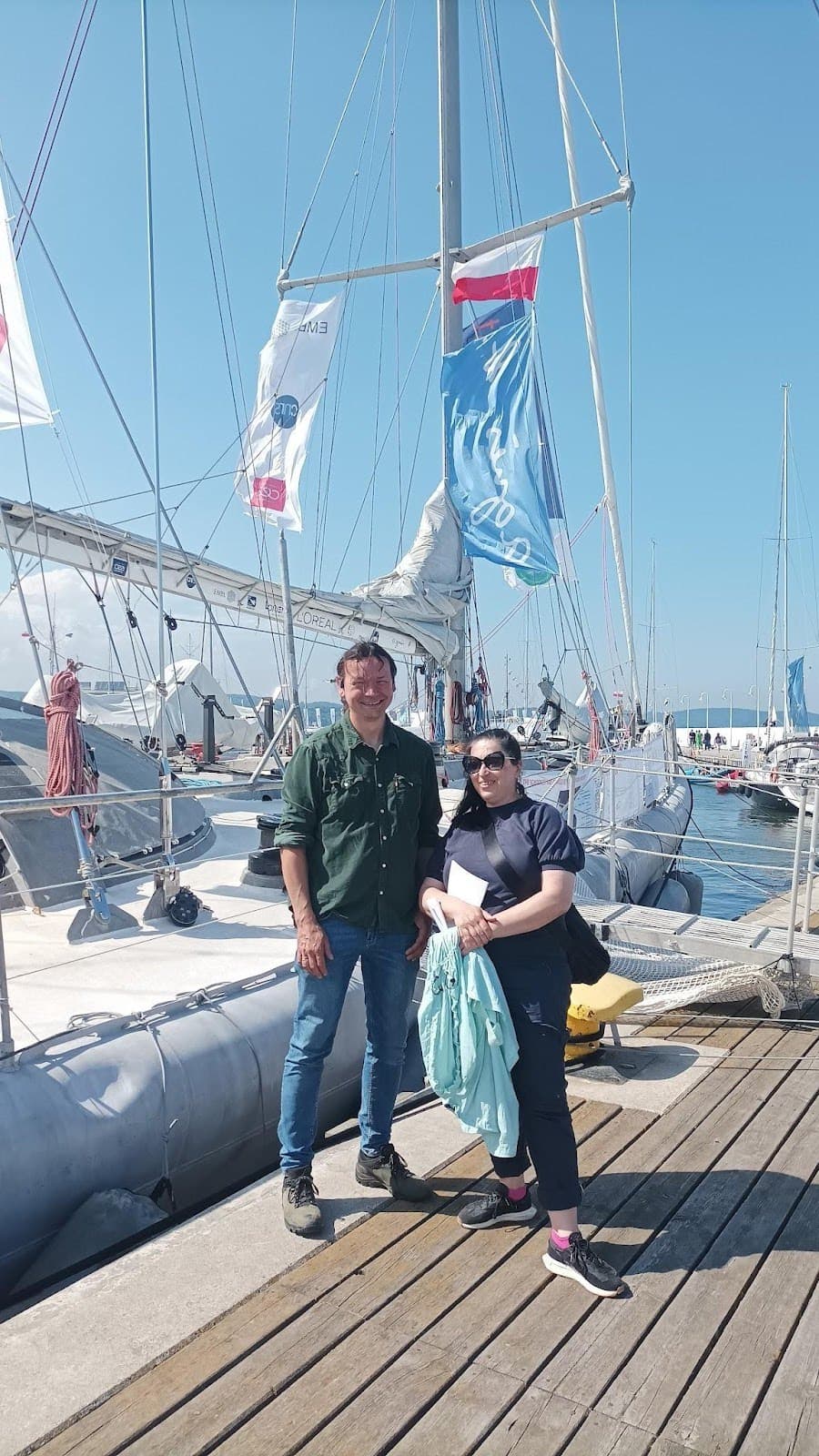
While we were docked in Sopot, Poland, I had the privilege of meeting Prof. Jacek Bełdowski, a researcher at the Institute of Oceanology, Polish Academy of Sciences and his colleague dr. dr. Miłosz Grabowski.
Prof. Bełdowski serves as the main coordinator and organizer for several projects focused on dumped munitions in the Baltic Sea, including initiatives like ‘Towards the Monitoring of Dumped Munitions Threats (MODUM).
It was truly enriching to have the opportunity to meet Prof. Jacek Bełdowski and dr. Miłosz Grabowski, in person during my residency, especially after having read numerous scientific articles authored by them.
Our connection continued beyond the residency, and this year, I was honored to receive an invitation to participate in a workshop/ conference in Malta, extended by Prof. Bełdowski and his team. These encounters have been serendipitous and incredibly inspiring, enriching the research I am undertaking on this topic.
Human activities and the well-being of marine ecosystems: a complex link
Since the conclusion of my residency, my work has been undergoing development, guided by the insights and experiences acquired aboard Tara. This journey has led to a deeper understanding of the intricate connections between human activities and the well-being of marine ecosystems.
During my time on Tara, I endeavoured to capture a diverse array of content, utilizing film footage and sound recordings both above and beneath the waves.
Additionally, I brought hydrophones to document the underwater environment. These efforts were focused on documenting not only the environmental impacts of discarded weapons but also broader themes of ocean conservation and human influence on marine life.
Une expérience unique
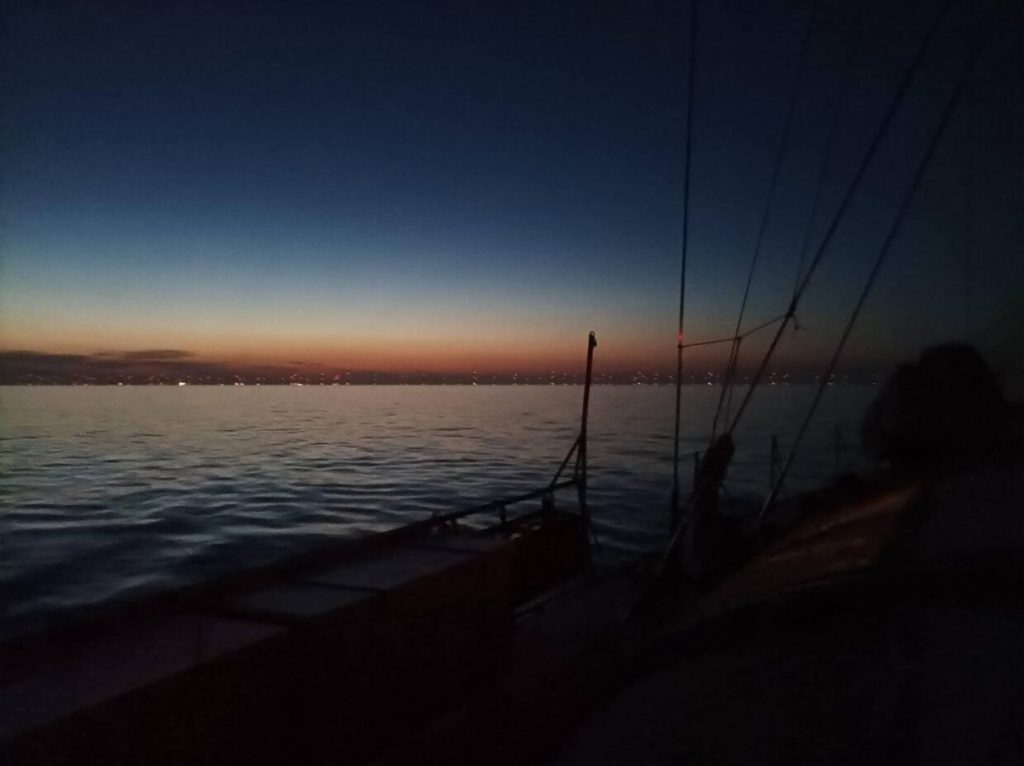
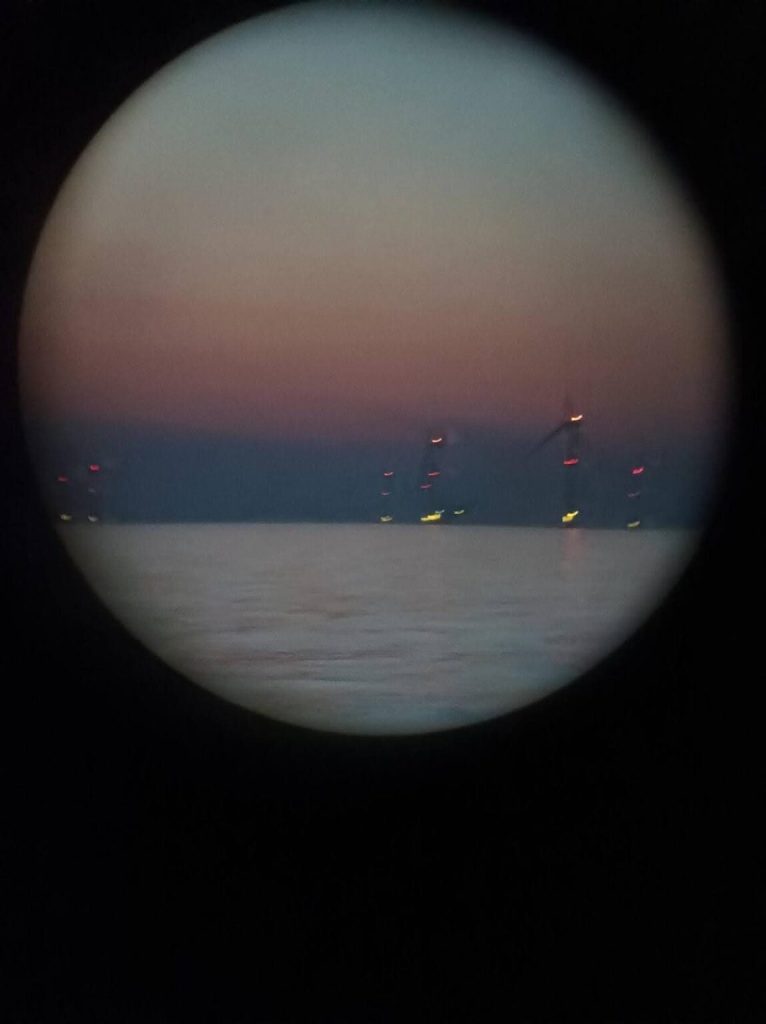
Being part of the team on Tara was incredibly rewarding. We all had different roles to play, and one of my favorites was the night watch. It was my job to keep an eye out for other boats and any obstacles and to alert the person in charge.
One memorable night watch took us past one of the large wind farms in the Baltic Sea. Seeing these massive structures rise from the water created a surreal, almost alien-like industrial scene in the middle of the sea.
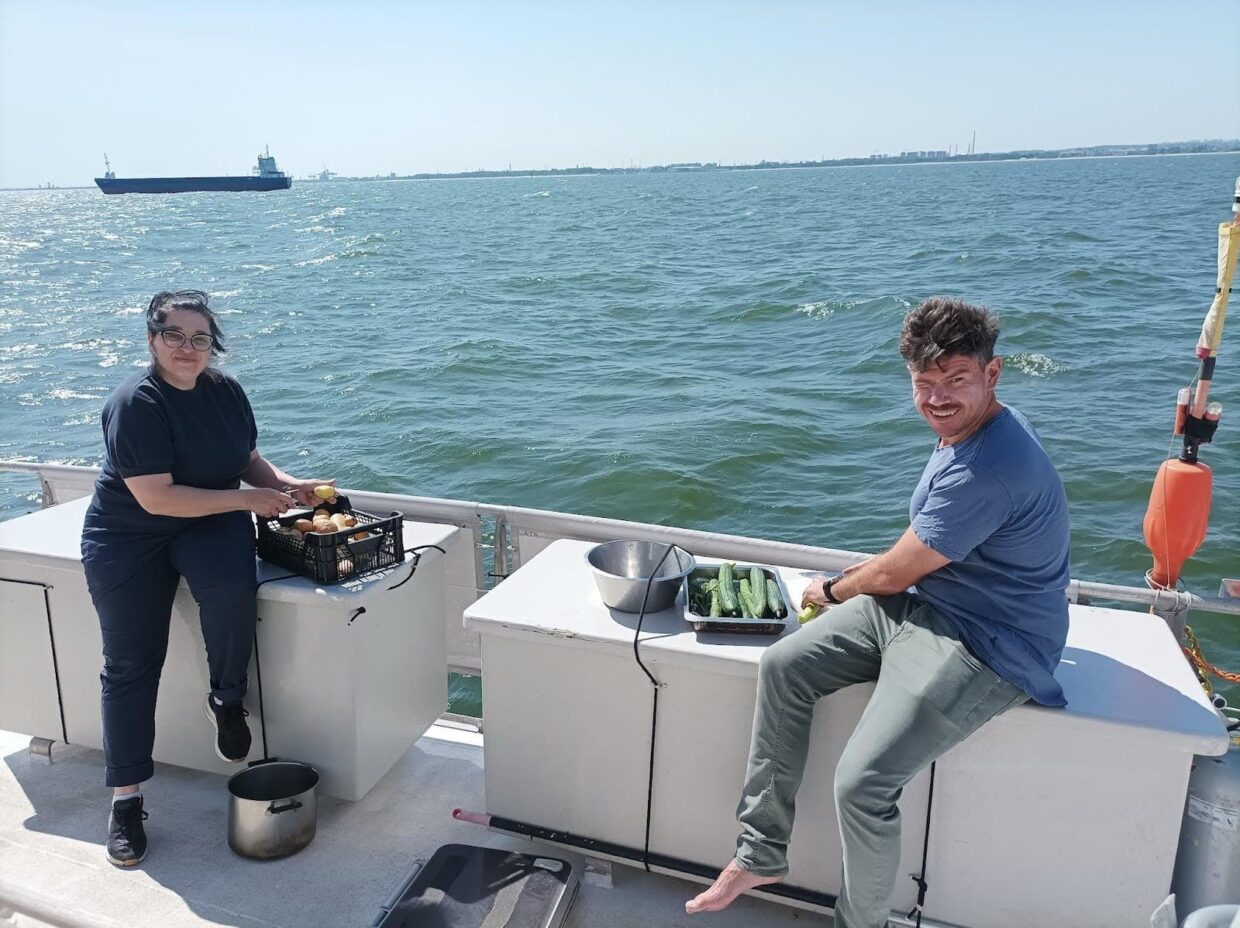
My experience aboard Tara was enriching on multiple levels.
On a personal level, it was a journey of camaraderie and cultural exchange, fostering a shared sense of purpose among crew members, scientists, cooks on the sailing boat.
Scientifically, it provided invaluable insights into marine research and conservation efforts, deepening my understanding of ocean ecosystems.
Artistically, it offered a fertile ground for creative exploration and deep scientific insights of the Baltic sea on many levels. It sparked deep conversations and exchanges that broadened my artistic vision. Working together, I gained valuable scientific knowledge that has added depth to my exploration of environmental issues. It showcased the strength of blending art and science to address complex problems like Ocean conservation. This collaborative approach highlights how diverse viewpoints can unite to make a real difference.
Recognizing the intricate nature of interdisciplinary artistic research, I am fully aware of the challenges it entails. Nevertheless, these collaborative efforts transcend individual interpretations and contribute to shaping a new vision for improved coexistence.
My aim is to imagine non-toxic inter-species ecologies, paving the way for a more harmonious future.
https://fondationtaraocean.org/en/artistic-news/robertina-sebjanics-logbook-echo-of-the-abyss
 ROBERTINA ŠEBJANIČ
You must be logged in to post a comment.